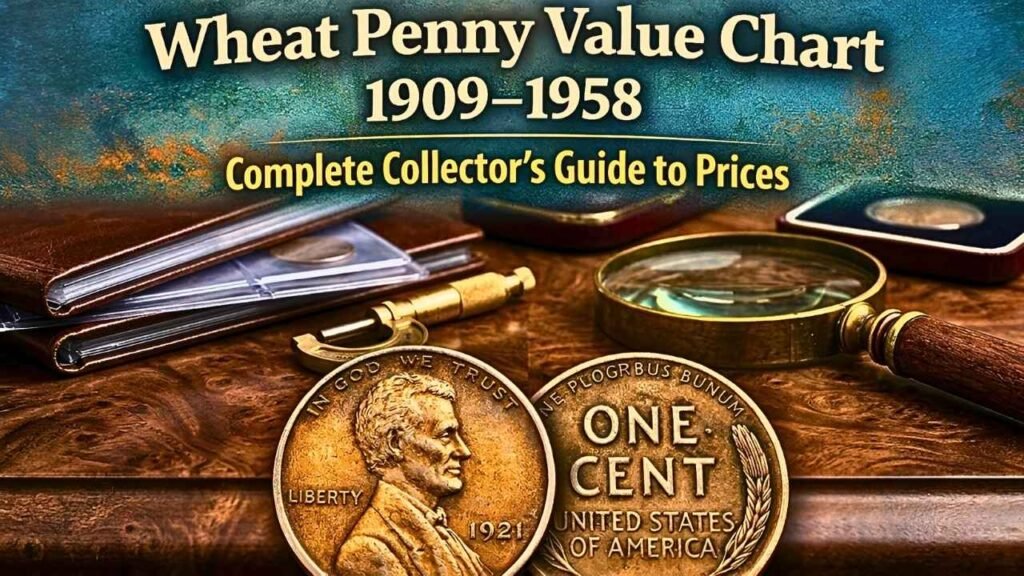
Wheat pennies, minted between 1909 and 1958, are among the most beloved coins in American numismatics. Their distinctive design featuring two wheat stalks on the reverse has made them a favorite for collectors and history enthusiasts alike. Beyond their aesthetic appeal, wheat pennies hold significant value depending on their year, mint mark, and condition. This guide explores the history, rarity, and pricing of wheat pennies, helping collectors understand what makes these coins special.
The History of Wheat Pennies
The wheat penny was first introduced in 1909 to commemorate the centennial of Abraham Lincoln’s birth. Designed by Victor David Brenner, the coin was the first U.S. cent to feature a president’s portrait. The obverse shows Lincoln’s profile, while the reverse displays two wheat stalks framing the words “One Cent.” This design remained in circulation until 1958, after which it was replaced by the Lincoln Memorial design.
Key Dates and Rarities
Not all wheat pennies are created equal. Some years and mint marks are far rarer than others, commanding higher prices in the collector’s market. For example, the 1909-S VDB penny is one of the most famous rarities, with only a limited number minted. Similarly, coins from the Denver and San Francisco mints often carry added value due to lower production numbers compared to Philadelphia.
Factors That Affect Value
The value of a wheat penny depends on several factors. Condition is one of the most important, with coins graded higher on the Sheldon scale fetching premium prices. Mint marks also play a crucial role, as coins from certain mints are scarcer. Errors, such as doubled dies or off-center strikes, can dramatically increase a coin’s worth. Finally, historical significance and demand among collectors contribute to overall pricing.
Price Chart Overview
While common wheat pennies from the 1940s and 1950s may only be worth a few cents above face value, rare issues can be worth hundreds or even thousands of dollars. Collectors often rely on updated price charts to determine the approximate value of their coins. These charts typically list values based on year, mint mark, and condition, providing a clear picture of what each coin might fetch in the market.
Collecting Wheat Pennies Today
Wheat pennies remain a popular entry point for new collectors. They are relatively affordable, widely available, and carry a sense of nostalgia. Many coin shops, online marketplaces, and estate sales offer wheat pennies in bulk, making it easy to start a collection. For serious collectors, focusing on rare dates and high-grade examples can be both rewarding and profitable.
Preservation and Care
Proper care is essential to maintaining the value of wheat pennies. Coins should be stored in protective holders to prevent scratches and tarnish. Cleaning coins is generally discouraged, as it can reduce their value. Collectors are advised to handle coins carefully and keep them in a stable environment to preserve their condition for years to come.
Key Highlights
- Wheat pennies were minted from 1909 to 1958
- Designed by Victor David Brenner to honor Abraham Lincoln
- Rare issues like the 1909-S VDB are highly valuable
- Condition, mint mark, and errors greatly affect pricing
- Affordable entry point for new collectors with potential for high-value finds
Final Words
The wheat penny is more than just a coin; it is a piece of American history that continues to captivate collectors. From its origins in 1909 to its final year in 1958, the wheat penny reflects both artistry and heritage. Whether you are a beginner starting with common dates or an experienced collector hunting for rarities, understanding the value chart is essential. With patience and knowledge, collecting wheat pennies can be both an enjoyable hobby and a rewarding investment.