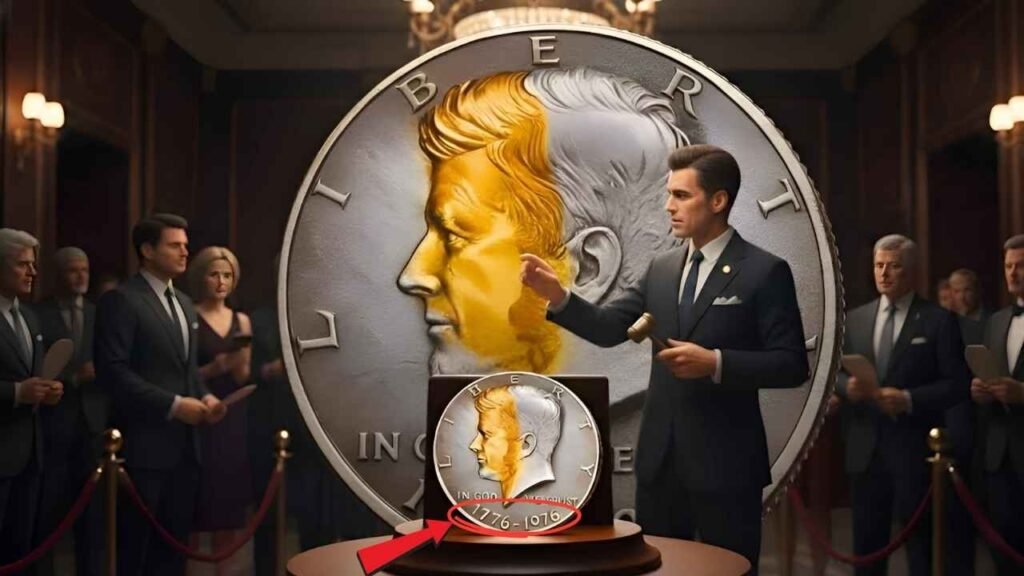
The Bicentennial Kennedy Half Dollar, minted in 1976, is one of the most iconic coins in American numismatic history. Released to commemorate the 200th anniversary of the United States, this coin carries not only monetary value but also cultural and historical significance. Collectors and enthusiasts continue to seek it out, both for its design and for its place in the broader story of American coinage. Understanding its background, value trends, and collecting strategies can help anyone appreciate why this coin remains so popular.
Historical Background
The Kennedy Half Dollar was first introduced in 1964, following the assassination of President John F. Kennedy. It quickly became a symbol of national mourning and respect. By 1976, the United States was preparing to celebrate its Bicentennial, marking two centuries since the signing of the Declaration of Independence. To honor this milestone, the U.S. Mint redesigned several coins, including the quarter, half dollar, and dollar. The Kennedy Half Dollar received a special reverse design featuring Independence Hall in Philadelphia, created by Seth G. Huntington. This design was used only for the Bicentennial issue, making it unique among Kennedy Half Dollars.

Design Features
The obverse of the coin retained Gilroy Roberts’ portrait of President Kennedy, a familiar image to collectors. The reverse, however, stood out with its depiction of Independence Hall, accompanied by the dual date “1776–1976.” This dual date is a hallmark of Bicentennial coinage and immediately distinguishes it from other issues. The coin was struck in both copper-nickel clad and 40% silver versions, with the latter being produced for collectors in proof and uncirculated sets. The silver issues are especially prized today for their limited mintage and higher intrinsic value.
Price Trends Over Time
When first released, the Bicentennial Kennedy Half Dollar circulated widely, and millions were produced. As a result, circulated examples are common and generally hold only face value. However, uncirculated and proof versions, particularly those struck in silver, have shown steady appreciation over the years. In the 1980s and 1990s, collector interest in Bicentennial coins surged, driving prices upward. Today, a typical copper-nickel clad coin in circulated condition may be worth around fifty cents to a dollar, while uncirculated examples can fetch a few dollars. Silver proofs and uncirculated coins often range from ten to thirty dollars, depending on condition and packaging. Exceptional specimens, such as those graded by professional services at high levels, can command significantly higher prices.
Collecting Tips
For collectors interested in the Bicentennial Kennedy Half Dollar, several strategies can enhance both enjoyment and investment potential. First, focus on condition. Coins with minimal wear, strong luster, and sharp details are always more desirable. Second, consider acquiring proof and silver issues, as these tend to hold greater long-term value. Third, look for original packaging, such as U.S. Mint sets, which can add to the coin’s appeal. Finally, consider professional grading for coins that appear to be in exceptional condition, as certification can provide assurance of authenticity and quality.
Historical Significance
Beyond its monetary value, the Bicentennial Kennedy Half Dollar represents a moment of national pride and reflection. The dual date “1776–1976” reminds us of the journey from independence to modern America. The choice of Independence Hall as the reverse design underscores the importance of the nation’s founding principles. For many collectors, owning this coin is not just about numismatics but about holding a piece of history that connects them to the spirit of the Bicentennial celebration. It serves as a tangible reminder of how coins can embody cultural identity and collective memory.
Market Demand Today
The demand for Bicentennial Kennedy Half Dollars remains strong, particularly among new collectors. Because the coin is relatively affordable, it provides an accessible entry point into numismatics. At the same time, the silver versions offer more seasoned collectors a chance to acquire something with both historical and intrinsic value. Online marketplaces, coin shows, and auctions frequently feature these coins, and their popularity ensures a steady market. While they may not reach the rarity levels of early American coinage, their widespread recognition makes them a staple in many collections.
Key Highlights
- Issued in 1976 to celebrate America’s Bicentennial
- Features Independence Hall on the reverse with dual date “1776–1976”
- Produced in both copper-nickel clad and 40% silver versions
- Circulated examples are common, but silver proofs and uncirculated coins hold higher value
- Represents a blend of historical significance and collectible appeal
- Accessible for beginners yet meaningful for experienced collectors
Final Words
The Bicentennial Kennedy Half Dollar is more than just a coin; it is a symbol of American heritage and a celebration of two centuries of independence. Its unique design, historical context, and enduring popularity make it a must-have for collectors of all levels. Whether you are drawn to its affordability, its silver content, or its connection to the nation’s Bicentennial, this coin offers something for everyone. As price trends continue to reflect steady demand, the Bicentennial Kennedy Half Dollar stands as a timeless reminder of how numismatics can preserve history in the palm of your hand.