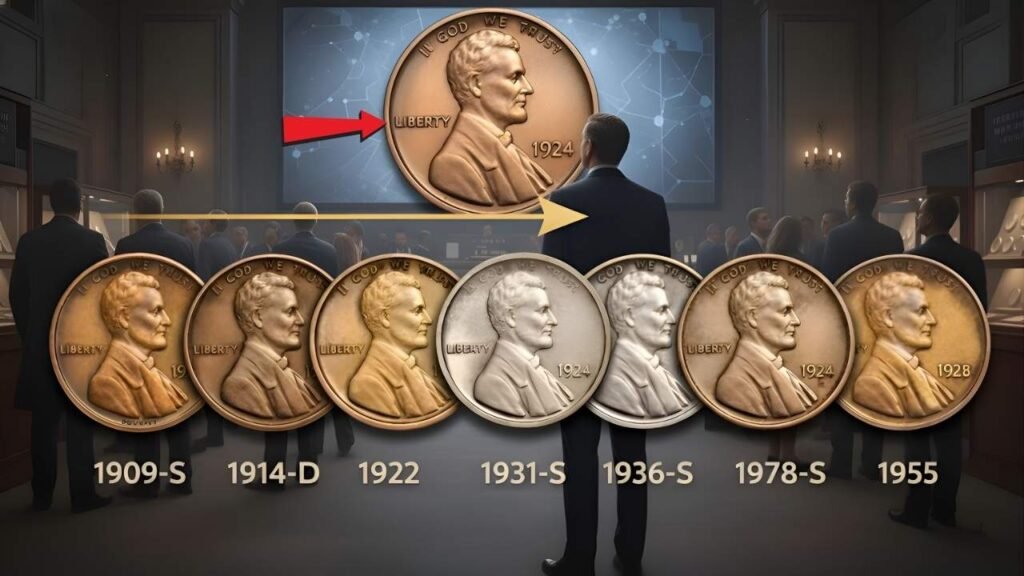
Wheat Pennies, officially known as Lincoln Wheat Cents, remain one of the most beloved coins among collectors in the United States. Minted between 1909 and 1958, these coins feature the iconic portrait of Abraham Lincoln on the obverse and two wheat stalks on the reverse. Their historical charm, combined with their accessibility, has made them a staple in coin collections for generations. Over the past decade, the value of Wheat Pennies has shifted due to market demand, rarity factors, and broader trends in numismatics. Comparing their worth today with ten years ago provides insight into how collectors and investors view these coins in the modern era.
Historical Background of Wheat Pennies
The Wheat Penny was introduced in 1909 to commemorate the centennial of Abraham Lincoln’s birth. Designed by Victor David Brenner, it was the first U.S. coin to feature a president’s portrait. The reverse design, with two wheat stalks framing the denomination, symbolized prosperity and growth. For nearly fifty years, Wheat Pennies circulated widely, becoming a familiar part of everyday transactions. Their long production run means millions still exist, but certain dates and mint marks are far scarcer than others, creating significant variation in value.
Value Ten Years Ago
A decade ago, Wheat Pennies were already popular among collectors, but their market was relatively stable. Common dates from the 1940s and 1950s often sold for just a few cents above face value in circulated condition. Uncirculated examples of these later dates could fetch a dollar or two. Key dates, such as the 1909-S VDB, 1914-D, and 1931-S, commanded much higher prices, often ranging from hundreds to thousands of dollars depending on grade. Overall, the market was steady, with modest growth driven by collector interest rather than speculative investment.
Current Value Trends
Today, Wheat Pennies continue to attract strong demand, but prices have shifted in notable ways. Common circulated coins from the 1940s and 1950s still hold minimal premium, often selling for five to ten cents each. However, uncirculated examples of these same coins have seen gradual appreciation, with prices now ranging from two to five dollars depending on quality. Key dates have experienced more significant growth. The 1909-S VDB, for instance, has risen in value across most grades, reflecting its enduring status as a cornerstone of Lincoln cent collecting. Similarly, the 1914-D and 1931-S have shown steady increases, with high-grade specimens commanding impressive premiums. Overall, the market has become more competitive, with collectors willing to pay more for quality coins.
Factors Influencing Market Changes
Several factors explain why Wheat Pennies are worth more now compared to a decade ago. First, the rise of online marketplaces has expanded access, allowing collectors worldwide to buy and sell coins with ease. This increased visibility has driven demand. Second, professional grading services have grown in popularity, giving buyers confidence in the authenticity and quality of coins. Third, broader interest in tangible assets has encouraged some investors to view coins as a hedge against inflation, further boosting demand. Finally, generational shifts have played a role, as younger collectors discover Wheat Pennies and appreciate their historical significance.
Collecting Strategies
For those interested in Wheat Pennies today, several strategies can maximize enjoyment and value. Building a complete date and mint mark set is a classic approach, offering both challenge and satisfaction. Focusing on high-grade coins, particularly those certified by reputable grading services, can provide long-term value stability. Another strategy is to seek out original rolls or collections, which may contain hidden gems. Finally, collectors should stay informed about market trends, as values can fluctuate based on demand and availability.
Historical Significance
Beyond their monetary worth, Wheat Pennies carry deep historical meaning. They represent the first widespread use of a president’s portrait on U.S. coinage, a tradition that continues today. They also reflect the economic and cultural shifts of the early to mid‑20th century, from the Great Depression to World War II. Holding a Wheat Penny is like holding a piece of American history, connecting collectors to the past in a tangible way. This historical resonance adds to their enduring appeal.
Market Outlook
Looking ahead, Wheat Pennies are likely to remain a cornerstone of coin collecting. Their affordability ensures that new collectors can easily enter the hobby, while their rarity in certain dates provides opportunities for seasoned enthusiasts. As long as interest in numismatics continues, Wheat Pennies will hold both sentimental and financial value. While they may not experience explosive growth, their steady appreciation makes them a reliable choice for collectors seeking long-term enjoyment and modest investment potential.
Key Highlights
- Wheat Pennies were minted from 1909 to 1958 with Lincoln’s portrait and wheat stalks
- Common circulated coins remain inexpensive, while uncirculated examples have appreciated
- Key dates such as 1909-S VDB, 1914-D, and 1931-S show strong value growth
- Online marketplaces and grading services have boosted demand and confidence
- Collectors value Wheat Pennies for both historical significance and investment potential
Final Words
The story of Wheat Pennies is one of enduring popularity and gradual appreciation. Compared to a decade ago, their worth has increased, particularly for high-grade and key-date examples. They remain accessible to beginners while offering depth and challenge for experienced collectors. More than just coins, Wheat Pennies embody history, artistry, and the spirit of American numismatics. For anyone seeking to build a meaningful collection, they continue to stand as timeless treasures that bridge the past and present.