
The Lincoln penny is one of the most iconic coins in American history. First introduced in 1909 to honor President Abraham Lincoln’s centennial, it has remained in circulation for more than a century. For collectors, Lincoln pennies are more than just everyday currency; they represent history, artistry, and potential value. Understanding how values change year by year is essential for anyone who wants to build a meaningful collection or discover hidden treasures in their pocket change.
The Origins of the Lincoln Penny
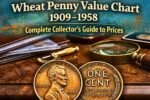
The Lincoln cent was designed by Victor David Brenner and became the first U.S. coin to feature a president’s portrait. Its reverse originally displayed two wheat stalks, giving rise to the nickname “Wheat Penny.” In 1959, the design changed to feature the Lincoln Memorial, and later in 2009, special anniversary designs were introduced. Each era of the Lincoln penny carries unique characteristics that influence its value.
Value by Year and Mint Mark
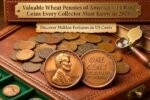
Lincoln pennies minted between 1909 and 1958 are often the most sought after, especially those with rare mint marks or low production numbers. Coins from the San Francisco and Denver mints tend to be scarcer than those from Philadelphia. Key dates such as the 1909-S VDB, 1914-D, and 1931-S are highly prized and can fetch hundreds or even thousands of dollars depending on condition. Later issues, while more common, still hold collector interest when found in pristine condition.
Factors That Influence Value
Several factors determine the value of a Lincoln penny. Condition is critical, with coins graded higher on the Sheldon scale commanding premium prices. Mint marks add another layer of rarity, as certain years had limited production at specific mints. Error coins, such as doubled dies or off-center strikes, can dramatically increase value. Finally, historical significance and collector demand play a major role in shaping prices.

Collecting Strategies
For new collectors, Lincoln pennies offer an accessible entry point. Many can be found in circulation or purchased in bulk at coin shops. More advanced collectors often focus on completing year and mint mark sets, hunting for rare varieties, or investing in certified high-grade coins. Building a collection year by year allows enthusiasts to appreciate the evolution of the coin while steadily increasing its value.
Preservation and Care
Proper storage is essential to maintaining the value of Lincoln pennies. Coins should be kept in protective holders or albums to prevent scratches and tarnish. Cleaning coins is discouraged, as it can reduce their value. Collectors should handle coins carefully and store them in a stable environment to preserve their condition for future generations.
Key Highlights
- Lincoln pennies were first minted in 1909 to honor Abraham Lincoln
- Wheat pennies (1909–1958) are especially prized by collectors
- Key dates like 1909-S VDB and 1914-D hold significant value
- Condition, mint mark, and errors greatly influence pricing
- Collecting year by year offers both historical appreciation and investment potential
Final Words
The Lincoln penny is more than just a coin; it is a piece of American heritage that continues to inspire collectors. From its debut in 1909 to modern issues, each year tells a story of history and craftsmanship. Whether you are a beginner searching for common dates or an experienced collector pursuing rare varieties, understanding values by year is the key to building a meaningful collection. With patience, knowledge, and care, Lincoln pennies can provide both enjoyment and lasting value for generations to come.